
Best Seller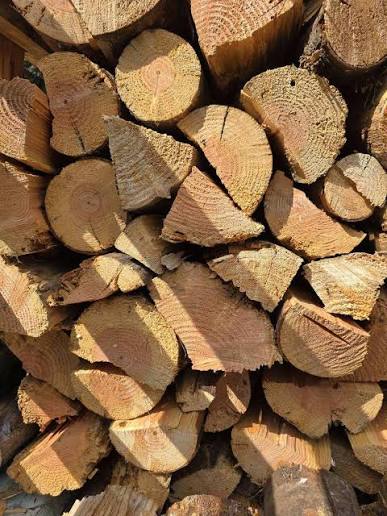
Firewood
Kiln-dried & seasoned beech, oak and pine firewood logs, cut and split to order for wholesale and export.
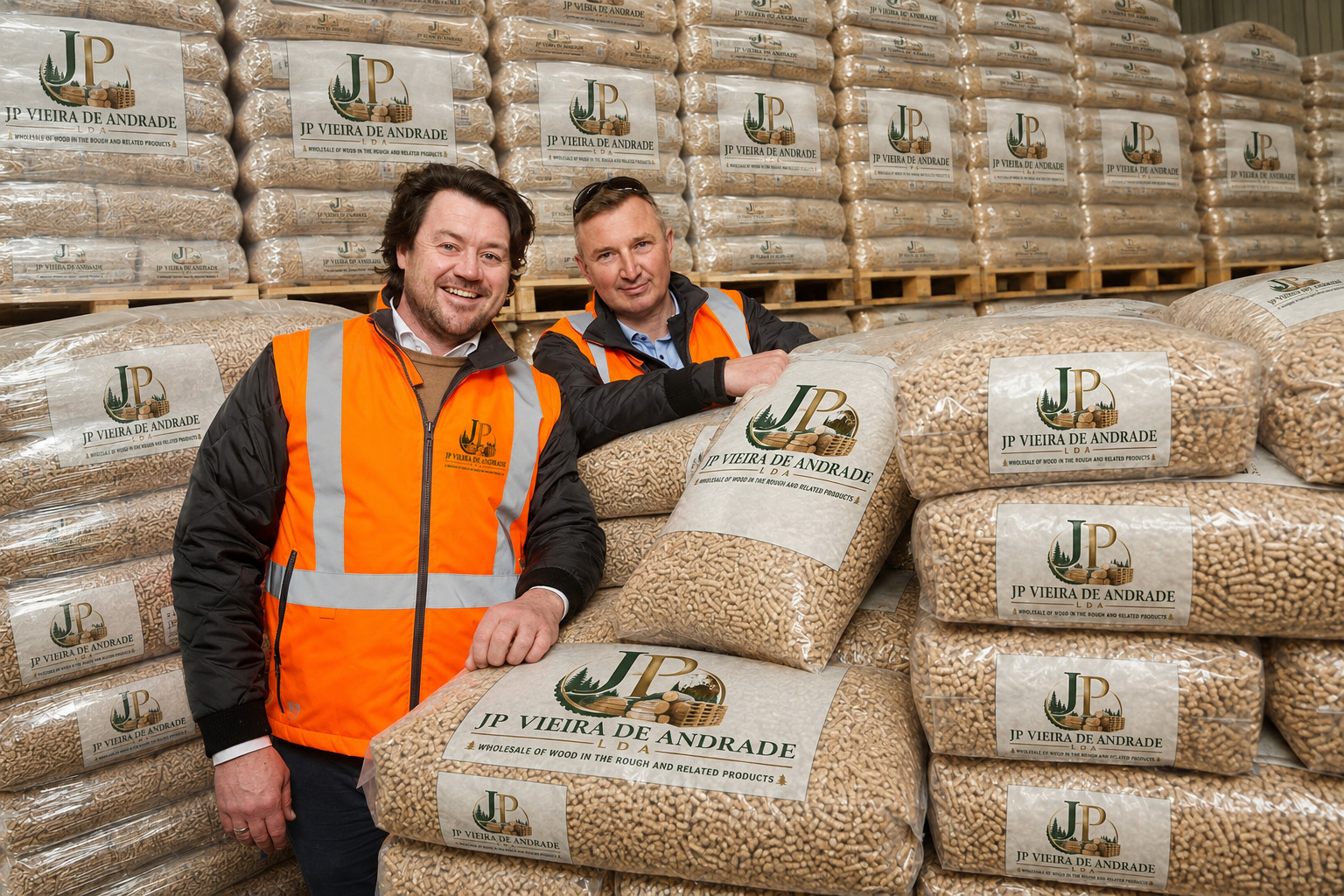
High-density, low-moisture wood pellets pressed from virgin softwood sawdust for clean, efficient heating.
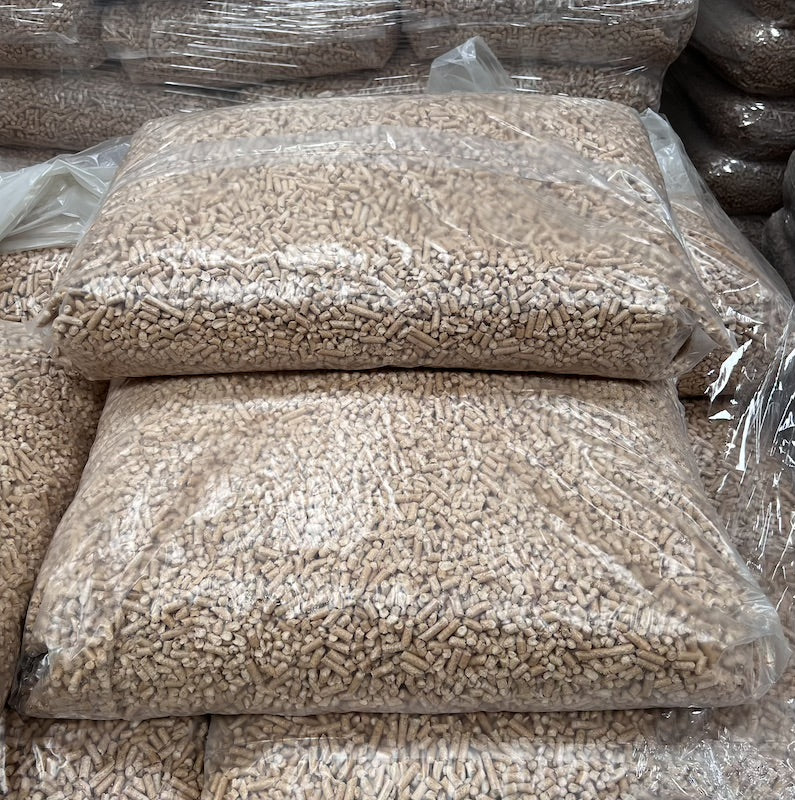
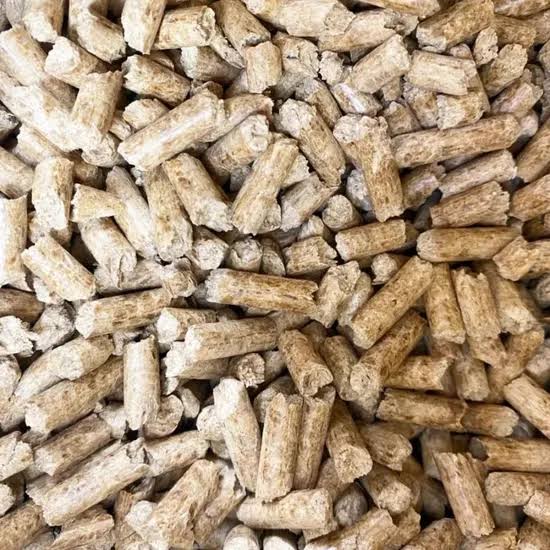
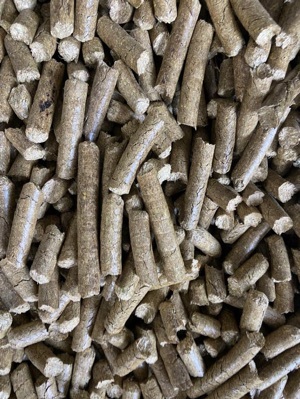
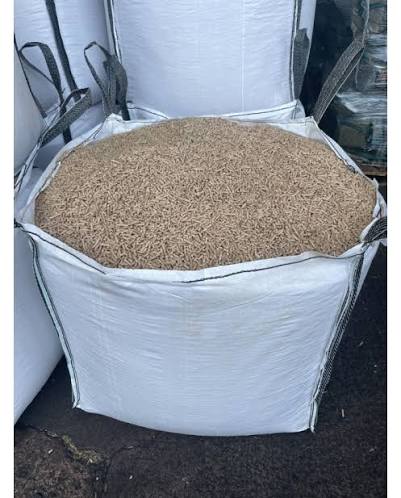
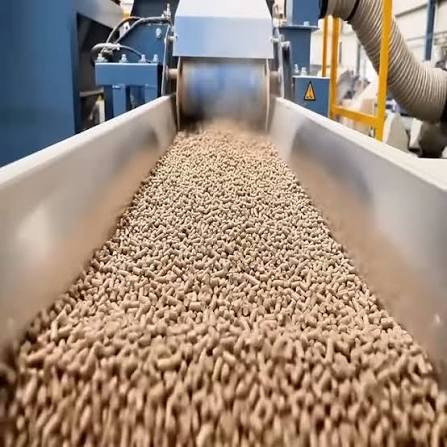
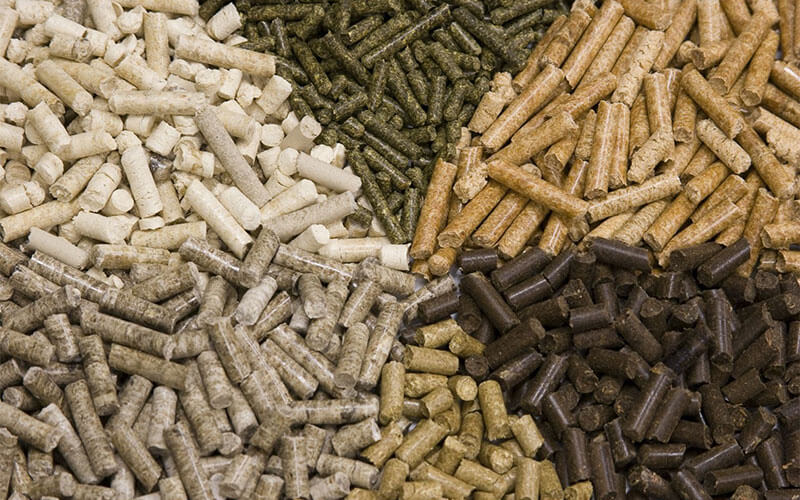
Our wood pellets are pressed from virgin softwood sawdust with no additives or binders, giving a clean, high-efficiency burn for both residential stoves and industrial biomass boilers. Pellets are produced to ENplus A1-equivalent specification and packed to suit your market, from 15 kg retail bags to bulk tanker delivery.
Product checks, samples and pricing are handled directly by our export team on WhatsApp for the fastest response.
Our wood pellets are pressed from virgin softwood sawdust with no additives or binders, giving a clean, high-efficiency burn for both residential stoves and industrial biomass boilers. Pellets are produced to ENplus A1-equivalent specification and packed to suit your market, from 15 kg retail bags to bulk tanker delivery.
Because pellets are sensitive to moisture and handling, we load under cover and can arrange moisture-protected big bags or tanker delivery for buyers without bagging infrastructure. Certificates of analysis are available on request for each production batch.
Wood pellets are the most technically demanding product in our range to produce consistently, and the one where specification precision matters most to buyers. This overview covers how our pellets are made, why Portugal is a competitive sourcing base, and what European distributors and heating-fuel importers should know before placing a wholesale order.
Our pellets are pressed from virgin softwood sawdust under high pressure and heat, with no chemical binders or additives — the natural lignin in the wood fibre itself holds each pellet together. This produces a dense, uniform 6 mm cylinder with low moisture and low ash content, designed to burn cleanly and efficiently in everything from a small domestic pellet stove to a large commercial biomass boiler. Production to ENplus A1-equivalent specification means every batch is held to consistent limits on moisture, ash, fines and mechanical durability — the details that determine how well a pellet performs in an automated feed system.
Portugal's timber industry generates a steady supply of clean softwood sawdust as a by-product of sawmilling, which is the best possible feedstock for premium pellets — low bark content, consistent species, and no contamination from construction or demolition wood. Combined with competitive production costs and direct road and short-sea access to Western Europe via Porto / Leixões, this makes Portuguese pellets a genuine alternative to Baltic, Central European or Nordic supply for buyers across France, Italy, Spain, the Benelux and beyond.
Spain's pellet stove market has grown steadily, and Portuguese supply benefits from the shortest possible transport route of any export destination, supporting both bagged retail distribution and bulk delivery to Spanish installers and boiler operators.
France has seen sustained growth in residential pellet stove and boiler installations. French wholesalers typically buy 15 kg retail bags for the DIY and garden-centre channel, alongside big-bag volumes for installers supplying central-heating customers.
Italy has one of the most mature residential pellet markets in Europe, with pellet stoves a standard heating appliance in many regions. Italian buyers are typically well informed on ENplus specification and expect tight batch-to-batch consistency.
German demand spans residential heating and larger commercial biomass boiler installations, with buyers often requesting DINplus documentation alongside ENplus. Bulk tanker delivery is common for larger commercial and municipal customers.
Benelux buyers commonly split orders between bagged product for retail distribution and big-bag volumes for commercial and light-industrial boiler customers, with demand concentrated around the autumn restocking period.
Nordic countries operate some of Europe's largest district heating networks, many running partly or wholly on wood pellets. These buyers typically purchase in bulk vessel or large tanker quantities under long-term supply contracts.
Diameter is fixed at 6 mm, the standard size for the vast majority of European pellet stoves and boilers. Moisture below 10% is critical, both for calorific value and to prevent pellets swelling or breaking down in storage. Ash content below 0.7% matters most to buyers with automated ash-removal systems, since higher ash increases maintenance frequency. Calorific value of 4.8 to 5.3 kWh per kilogram lets buyers calculate delivered cost per unit of heat energy for direct comparison against other fuels. Bulk density of approximately 650 kg per cubic metre determines how much product fits in a given storage silo or big bag, which matters for buyers planning storage capacity.
Fifteen-kilogram bags, 66 to a pallet, remain the standard for retail and small-installer distribution across most of Europe. One-tonne big bags suit mid-size commercial boiler customers with forklift handling and reduce packaging cost per tonne compared with small bags. Bulk tanker delivery offers the lowest landed cost per tonne but requires the buyer to have silo or bulk storage infrastructure — a detail worth factoring into total cost comparisons, not just headline price per tonne.
Pellets are sensitive to moisture pickup, which can cause swelling and breakdown into fines if bags are damaged or exposed during transit. We load under cover as standard, and for buyers in damper northern European climates or on longer transit routes, we recommend moisture-protected big bags or tanker delivery over standard palletised bags.
Many European heating markets tie incentive schemes or installation approvals to certified fuel quality. We supply certificates of analysis for each production batch and can confirm current ENplus or DINplus-equivalent documentation status — worth checking against your specific market's requirement before your first order ships.
Our pellet customers include residential distributors supplying pellet stove and central-heating boiler owners, district and commercial heating operators running larger biomass installations, industrial buyers feeding biomass power and combined heat-and-power plants, and hospitality and horeca businesses using pellet-fired heating systems.
Like most heating fuels, pellet demand is strongly seasonal, peaking ahead of and during the winter heating months. Distributors who place standing orders or forward contracts before the autumn restocking rush typically secure more stable pricing and guaranteed truckload or container availability than those buying spot in peak season, when regional supply across Europe tightens.
Pellet pricing reflects feedstock cost, production energy, packaging format and freight distance. Bulk tanker delivery generally offers the lowest per-tonne price, big bags sit in the middle, and small retail bags carry the highest packaging cost but suit buyers without bulk handling capability. As with our other products, we recommend comparing delivered pricing to your specific destination rather than ex-works price alone.
Pellets suit buyers targeting automated pellet stoves, central-heating boilers and larger commercial or district heating systems, where consistent particle size and flow characteristics matter more than the visual appeal of a traditional fire. They typically require more upfront logistics investment — bulk storage or big-bag handling — than firewood, but reward that investment with lower handling labour per unit of heat delivered. For distributors weighing pellets against firewood or briquettes, the deciding factor is usually the heating technology already installed in your target customer base rather than price alone.
Bagged pellets store well in any dry, covered warehouse space, stacked on pallets away from ground moisture. Big bags need forklift access and covered storage to avoid moisture ingress through the bag material over time. Bulk tanker deliveries require a dedicated silo or bulk storage room with pneumatic or auger-fed discharge into the buyer's own distribution system — a larger upfront investment, but one that significantly reduces handling cost per tonne for buyers moving high volumes.
We recommend new buyers start by requesting our current specification sheet and a sample bag or two, so you can test burn quality and check ash and fines content against your own equipment before committing to a full truckload or container. Once you're satisfied with quality, we confirm packaging format, delivery method and lead time — typically two to four weeks for a full truckload, depending on season and current production schedule — and prepare export documentation ahead of loading.
Wood pellets are widely recognised as a low-carbon heating fuel, since they're manufactured from sawmill by-product that would otherwise go to waste, and burning wood releases carbon that was recently absorbed by growing trees rather than carbon locked away for millions of years, as with fossil fuels. For distributors selling into markets with heating-related carbon reduction targets or incentive schemes, being able to point to ENplus-equivalent quality and Portuguese sawmill-residue sourcing is often a meaningful part of the sales conversation with installers and end customers.
Buyers new to the pellet trade sometimes encounter technical terms worth clarifying. "Fines" refers to loose sawdust and broken pellet fragments in a batch, which should be kept to a minimum since high fines content indicates poor mechanical durability and can cause dust and feed issues in automated systems. "Mechanical durability" measures how well pellets resist breaking apart during handling and transport — a critical factor for long transit routes to northern Europe. "Bulk density" affects how much weight fits in a given storage volume, which matters directly for silo sizing and freight planning.
Most wholesale pellet orders start at one truckload, approximately 24 tonnes, or one container, roughly 24 to 26 tonnes, since this is the volume at which packaging and freight economics become efficient for both sides. For distributors wanting to test the product before a full truckload commitment, we can occasionally arrange a smaller sample pallet of bagged pellets — ask our team about current availability. Larger commercial and district heating buyers often move to standing monthly or seasonal contracts once an initial trial order confirms quality and consistency, giving both sides better forward visibility on volume and pricing.
Although geographically more distant, Polish and other Central European buyers occasionally source Portuguese pellets to diversify supply away from domestic and Baltic producers, particularly during periods when regional supply tightens. Container shipment via Porto / Leixões is typically the more practical route for these longer-distance orders.
Every production run is tested for moisture, ash content and fines before packing, using calibrated equipment at our Rebordosa facility. We keep records by production batch, so if a question ever arises about a specific delivery, we can trace it back to the exact production run and share the corresponding test results. For buyers who want an additional layer of assurance before a first large order, we can arrange for a sample to be tested independently, or simply share our own batch documentation upfront so you know exactly what you're evaluating.
Pellet specification touches several interconnected variables — packaging format, certification documentation, moisture protection for your specific transit route — so we handle pricing through direct conversation on WhatsApp rather than a fixed list price. This lets us tailor the quote to your actual delivery requirements, including whether you need bulk tanker, big bag or bagged pallet delivery, and confirm current ENplus or DINplus-equivalent documentation status for your market.
When comparing our pellets against another supplier, look at total landed cost rather than the headline price per tonne alone. A lower ex-works price from a distant supplier can be outweighed by higher freight cost, longer transit risking moisture damage, or a packaging format that doesn't suit your handling equipment. We're happy to walk through a landed-cost comparison with you, including freight to your specific location and the packaging format that best matches your storage setup, so you can compare suppliers on a genuinely equal basis rather than list price alone.
Correctly stored bagged and big-bag pellets keep well for many months without quality loss, provided moisture is kept out, which gives distributors flexibility to build modest safety stock ahead of the winter season rather than ordering purely reactively as demand rises. Many of our regular customers settle into a simple rhythm — an initial forward order placed in late summer, topped up with a smaller reorder mid-season if demand runs ahead of forecast.
Sourcing pellet feedstock from Portugal's own sawmilling industry, producing to ENplus A1-equivalent specification, and offering flexible packaging from retail bags through to bulk tanker delivery lets us serve everyone from a small regional distributor to a district heating operator from the same Rebordosa production base.
| Diameter | 6 mm |
| Length | 3.15 – 40 mm |
| Moisture content | Below 10% |
| Ash content | Below 0.7% |
| Calorific value | 4.8 – 5.3 kWh/kg |
| Bulk density | Approx. 650 kg/m³ |
| Packaging options | 15 kg bags (66 bags/pallet), 1,000 kg big bags, or loose bulk by tanker |
| Quality standard | ENplus A1 / DINplus equivalent specification |
| Minimum order | 1 truckload (approx. 24 t) or 1 container (approx. 24–26 t) |
Our pellets are produced to ENplus A1-equivalent specification for moisture, ash and calorific value. Speak to our team about current certification status and available documentation for your order.
We offer 15 kg retail bags on pallets (66 bags per pallet), 1,000 kg big bags for industrial buyers, and loose bulk delivery by tanker for large-volume district heating customers.
Wholesale orders typically start at one truckload (around 24 tonnes) or one container (around 24–26 tonnes). Contact us to discuss smaller trial volumes.
Yes, private-label bagging is available for distributors and retailers ordering at wholesale volumes — send us your artwork requirements when you request a quote.
Kiln-dried & seasoned beech, oak and pine firewood logs, cut and split to order for wholesale and export.
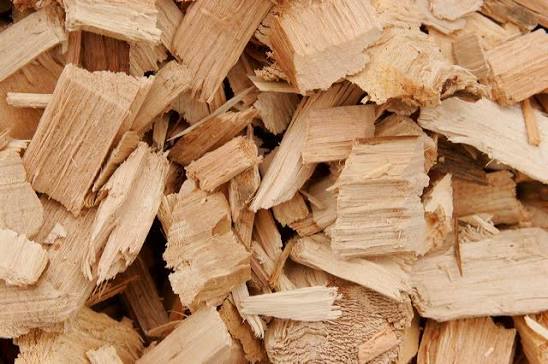
Uniform biomass and landscaping wood chips, screened to size for boilers, mulching and animal bedding.
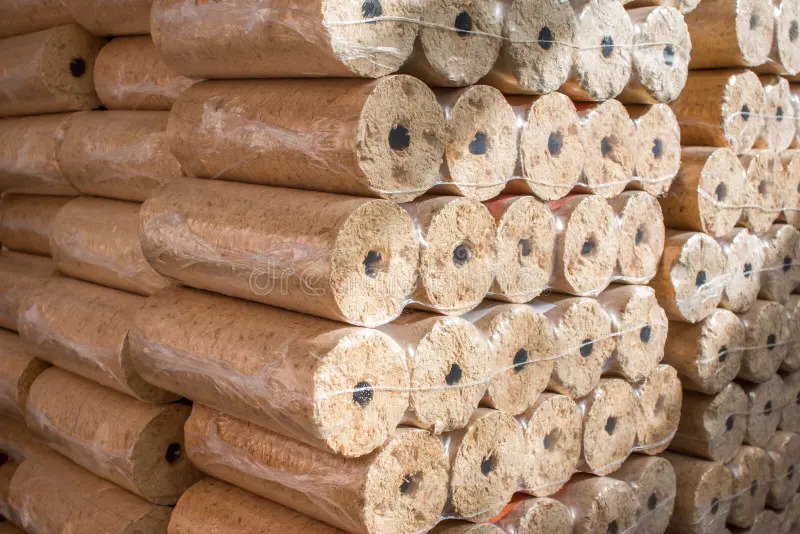
Compressed hardwood briquettes (RUF & Nestro types) offering long, steady, low-ash burn time.
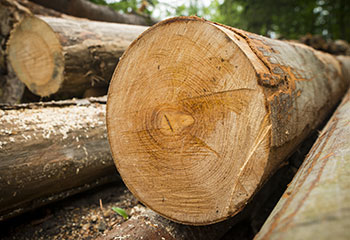
Rough-sawn timber, planed beams and roundwood logs sourced from certified Portuguese forests.
Send us your target volume and destination for a wholesale quotation.