Best Seller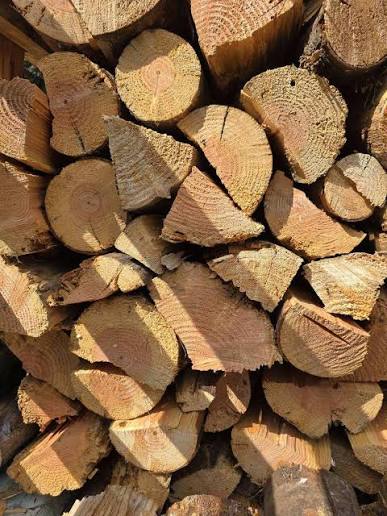
Firewood
Kiln-dried & seasoned beech, oak and pine firewood logs, cut and split to order for wholesale and export.
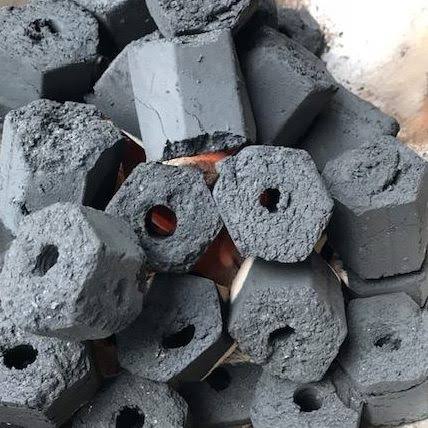
Extruded hexagonal charcoal briquettes offering a long, consistent, low-smoke burn for barbecue and horeca markets.
Our briquette charcoal is extruded from compressed hardwood residue into a dense, uniform hexagonal shape with a central airflow hole, giving a longer, steadier and more predictable burn than natural lump charcoal. It's a popular choice for horeca buyers and shisha venues who need consistent heat output over an extended service period.
Product checks, samples and pricing are handled directly by our export team on WhatsApp for the fastest response.
Our briquette charcoal is extruded from compressed hardwood residue into a dense, uniform hexagonal shape with a central airflow hole, giving a longer, steadier and more predictable burn than natural lump charcoal. It's a popular choice for horeca buyers and shisha venues who need consistent heat output over an extended service period.
Because briquette charcoal burns more predictably than lump charcoal, it's often the preferred choice for commercial kitchens running extended grill service. We can quote alongside our lump charcoal line so you can compare and potentially stock both for different segments of your customer base.
Briquette charcoal serves a different segment of the barbecue and horeca fuel market than natural lump charcoal — buyers who prioritise consistent shape, predictable burn time and extended heat output over the faster lighting and traditional character of lump. This overview explains how our briquette charcoal is made and how it's typically sourced by European wholesale and horeca buyers.
Briquette charcoal is produced by compressing carbonised hardwood sawdust and residue under high pressure into a dense, uniform hexagonal shape with a central hole for airflow. This manufacturing process, distinct from natural lump charcoal's direct carbonisation of whole wood pieces, produces a much more consistent product: every piece is the same size, density and moisture content, which translates into predictable, repeatable burn performance — valuable for commercial kitchens where consistency matters more than the character of an open-fire burn.
Restaurants and grill bars running extended service periods need fuel that performs the same way at the start of service as three hours later. Briquette charcoal's uniform density and lower, steadier burn rate delivers that consistency far more reliably than lump charcoal, which can vary in burn rate between different piece sizes within the same bag. The trade-off is a slightly longer time to reach cooking temperature, which most commercial kitchens plan around as part of their standard pre-service routine.
Southern European horeca markets, with their strong grill and barbecue restaurant culture, represent some of our largest briquette charcoal demand, particularly from steakhouses and grill-focused restaurants running long daily service hours.
Northern European buyers often specify briquette charcoal for its more predictable, lower-smoke burn characteristics, valued both in commercial kitchens and by retail consumers seeking a more consistent home barbecue experience.
UK retail buyers increasingly stock briquette charcoal alongside lump charcoal, offering consumers a choice between traditional lump for flavour-focused grilling and briquette for longer, lower-maintenance barbecue sessions.
Moisture content below 8% ensures reliable lighting and consistent burn rate across a batch. Ash content, typically slightly higher than lump charcoal at 5–8%, reflects the manufacturing process but remains well within the range expected for quality briquette product. Burn time of two to three hours or more per load, longer and more predictable than lump charcoal, is the primary reason horeca buyers specify this product over lump for extended service.
Moisture content below 8% ensures reliable lighting and consistent burn rate across a batch. Ash content, typically slightly higher than lump charcoal at 5–8%, reflects the manufacturing process but remains well within the range expected for quality briquette product. Burn time of two to three hours or more per load, longer and more predictable than lump charcoal, is the primary reason horeca buyers specify this product over lump for extended service.
Production starts with carbonised hardwood residue and sawdust, milled fine and blended with a small amount of natural starch binder before being extruded under high pressure through a hexagonal die and cut to length. The hexagonal cross-section, now the industry-standard shape for extruded charcoal, packs efficiently for transport while the central hole improves airflow and combustion consistency compared with solid briquette shapes. Quality control at this stage focuses on consistent density and moisture, since variation between individual briquettes is what causes uneven burn performance in commercial use.
The right product depends on your end customer's priorities. Retail consumers focused on flavour and a traditional grilling experience often prefer lump charcoal, while commercial kitchens and horeca operators running long service periods generally favour briquette charcoal for its predictability. Distributors serving both retail and horeca channels frequently stock both products side by side, positioning them for different use cases rather than competing on price alone within the same customer segment.
Ten-kilogram cartons, palletised for easy handling, suit both retail distribution and horeca buyers restocking through a wholesale food-service supplier. Bulk bags suit larger horeca groups and industrial buyers who repackage or distribute to their own restaurant network.
As with our lump charcoal line, we source briquette charcoal through a vetted supply network and hold stock at our Rebordosa facility, letting EU buyers purchase as a straightforward intra-EU transaction rather than managing direct import from outside the EU. Incoming stock is checked against our moisture and density specification before entering distribution.
Pricing reflects raw material and production cost, packaging format and order volume, with the same delivered-cost logic as our other product lines: request a quote to your specific destination for the clearest comparison, and consider landed cost per hour of usable heat rather than price per kilogram alone when comparing against lump charcoal.
As with lump charcoal, standard wholesale orders start at one container or truckload. We're happy to arrange a sample carton for horeca buyers wanting to test burn performance in their own kitchen before committing to a full order, and can discuss recurring supply schedules for restaurant groups or distributors with predictable, ongoing volume needs.
As with our lump charcoal line, sourcing transparency for briquette charcoal has become increasingly important to European retail and horeca buyers navigating their own sustainability commitments and, for larger retailers, EU deforestation-related import requirements. We work with producers in our network who can speak to raw material origin, and we're happy to discuss what documentation is available for a specific batch before you commit to a larger order.
Because briquette charcoal is denser and more uniform than lump, more usable burn time fits into each pallet position, which can offset a marginally higher price per kilogram compared with some direct-import alternatives once you calculate cost per hour of service delivered rather than cost per kilogram alone — a calculation worth doing before assuming a lower headline price is actually the better deal for a horeca operation running long service hours.
Horeca buyers and distributors evaluating briquette charcoal for the first time often ask practical questions beyond the core specification. Can we trial a small quantity before a full container commitment? Yes, sample cartons are usually available for kitchen testing ahead of a larger order. How should briquette charcoal be stored to preserve shelf life? Kept dry and off the ground in its original packaging, briquette charcoal stores well for extended periods without quality loss. Can delivery be scheduled around a restaurant's opening or seasonal launch date? Yes, we can usually work backward from a target delivery date to confirm order timing.
It's tempting to treat briquette charcoal as a commodity where any hexagonal block will do, but shape consistency directly affects how evenly a grill or oven heats across its surface. Briquettes that vary noticeably in size within the same batch burn unevenly, creating hot and cold zones that commercial kitchens have to work around, often by using more product than necessary to compensate. We check dimensional consistency alongside moisture and density during quality control precisely because this practical, easy-to-overlook factor has a real impact on how much product a horeca buyer actually needs to buy over a year.
Because briquette charcoal buyers often need to weigh format, packaging and delivery scheduling together, particularly horeca groups supplying multiple restaurant locations, our team is happy to talk through the full picture on WhatsApp rather than just a headline price. Send us your destination, target volume and whether you're buying for retail, horeca or both, and we'll respond with a quote that reflects your actual order.
The right briquette specification can vary by horeca format. A high-volume grill restaurant running continuous service through lunch and dinner typically prioritises consistent, long burn time above all else, since fuel changes mid-service disrupt kitchen flow. A shisha lounge, by contrast, often prioritises a cleaner, lower-smoke burn and manageable piece size for individual heads, since the fuel sits closer to customers throughout service. Retail buyers selling to home users tend to prioritise ease of lighting and a manageable pack size over the longest possible burn time. We're happy to discuss which specification profile best matches your specific business format before you commit to a full order.
We understand that switching a commercial kitchen's fuel supply carries real operational risk if the new product underperforms mid-service, which is why we encourage new horeca customers to run a proper kitchen trial — not just a quick test burn — before moving their full volume over. A short trial period comparing burn time, heat consistency and ash residue against your current supplier gives you the confidence to switch fully, or the information to specify a different grade or format if the first sample doesn't quite match your service pattern.
Briquette charcoal bound for more distant markets spends longer in transit and handling than a shipment to a nearby destination, which makes carton and pallet integrity more important the further your destination sits from Rebordosa. We use shrink-wrap and carton specifications suited to standard palletised road and container freight, and can discuss reinforced packaging options for buyers on particularly long or multi-leg transit routes where product needs to withstand extra handling.
New horeca customers sometimes default to ordering a small, cautious first volume purely to limit risk, but a very small first order can make it harder to judge true performance across a full service cycle. We'd rather help you size a first order that's genuinely representative of a normal week's use, even if that means a slightly larger initial commitment, since a partial or unrepresentative trial tends to produce a less reliable read on whether the product actually fits your kitchen.
When two briquette charcoal quotes look similar on paper, ask each supplier for their actual moisture, ash and density figures rather than comparing marketing descriptions alone, since "premium" or "restaurant grade" briquette charcoal isn't a regulated term across Europe the way ENplus governs pellet quality. We're always glad to share our own batch figures upfront, and would encourage you to ask the same of any supplier you're evaluating against us.
A busy commercial kitchen rarely has spare time to troubleshoot an underperforming fuel mid-service, which is exactly why we treat consistency, not just headline specification, as the real product we're selling. Reach out to our team whenever you'd like current batch figures or a fresh sample ahead of your next order.
Stocking both lump and briquette charcoal from the same Rebordosa facility lets horeca distributors serve both ends of their customer base — flavour-focused grill restaurants and consistency-focused commercial kitchens — from a single supply relationship, backed by a team that responds to questions in hours rather than days, and by production standards checked on every batch rather than only when a problem is reported.
| Shape | Hexagonal, extruded with central airflow hole |
| Raw material | Compressed hardwood sawdust and residue, carbonised |
| Moisture content | Below 8% |
| Ash content | Below 5–8% |
| Calorific value | Approx. 6,500–7,500 kcal/kg |
| Burn characteristics | Long, steady, low-spark burn; typically 2–3+ hours per load |
| Packaging options | 10 kg cartons on pallets, or bulk bags for horeca/industrial buyers |
| Minimum order | 1 container (approx. 20–24 t) or 1 truckload for EU destinations |
Briquette charcoal is extruded from compressed hardwood residue into a uniform hexagonal shape, giving a longer, steadier burn; lump charcoal keeps the natural shape of carbonised wood pieces and lights faster with a more traditional character.
Our briquette charcoal typically delivers two to three hours or more of steady heat per load, longer than most lump charcoal.
Standard wholesale orders start at one container or truckload; contact us to discuss smaller sample volumes.
Yes, we supply both 10 kg retail cartons and bulk bags for horeca and industrial distributors.
Kiln-dried & seasoned beech, oak and pine firewood logs, cut and split to order for wholesale and export.
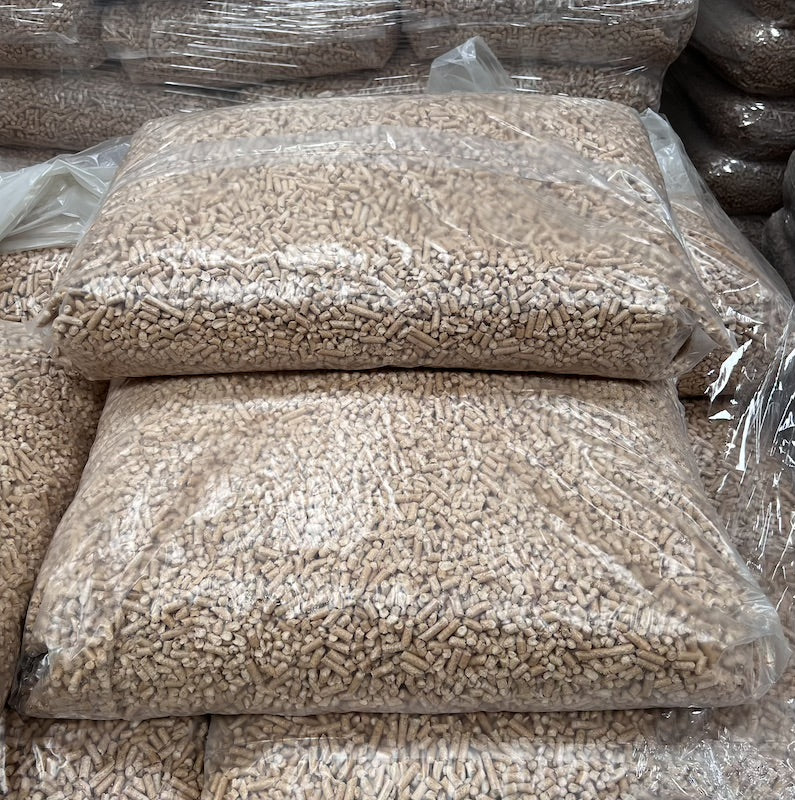
High-density, low-moisture wood pellets pressed from virgin softwood sawdust for clean, efficient heating.
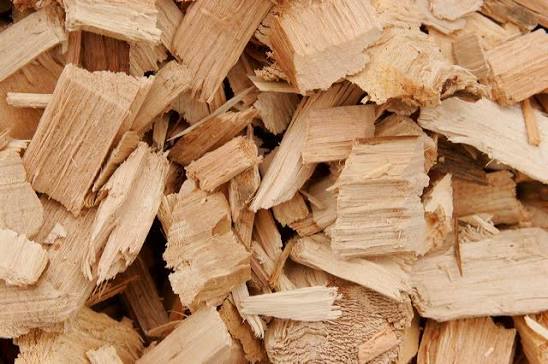
Uniform biomass and landscaping wood chips, screened to size for boilers, mulching and animal bedding.
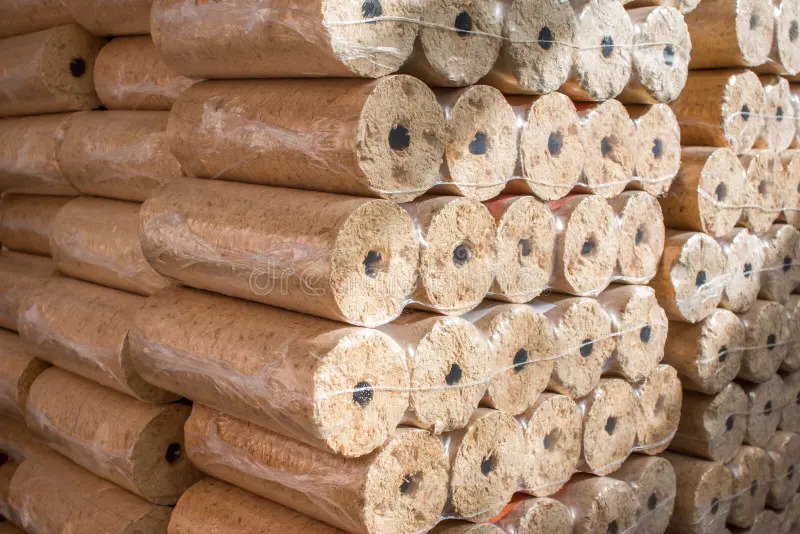
Compressed hardwood briquettes (RUF & Nestro types) offering long, steady, low-ash burn time.
Send us your target volume and destination for a wholesale quotation.