
Best Seller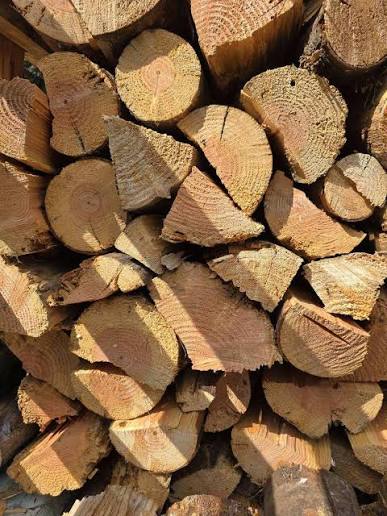
Firewood
Kiln-dried & seasoned beech, oak and pine firewood logs, cut and split to order for wholesale and export.
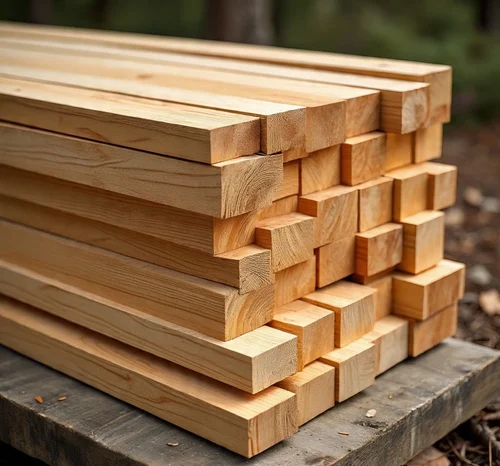
Rough-sawn timber, planed beams and roundwood logs sourced from certified Portuguese forests.
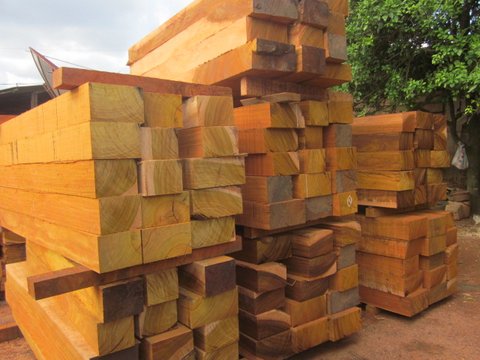
Alongside our fuel-wood products, we supply rough-sawn timber and roundwood logs sourced from certified Portuguese forestry — maritime pine and eucalyptus in the main — graded for sawmilling, construction, pallet manufacture or pulp, and export-documented from our Rebordosa yard.
Product checks, samples and pricing are handled directly by our export team on WhatsApp for the fastest response.
Alongside our fuel-wood products, we supply rough-sawn timber and roundwood logs sourced from certified Portuguese forestry — maritime pine and eucalyptus in the main — graded for sawmilling, construction, pallet manufacture or pulp, and export-documented from our Rebordosa yard.
Grading is agreed up front against your intended use — sawlog-grade material for further milling, or pulpwood-grade for fibre and energy buyers. Chain-of-custody paperwork can be arranged where your market requires certified sourcing.
Alongside our fuel-wood products, we supply rough-sawn timber and roundwood logs to sawmills, construction buyers and manufacturers across Europe. This product line involves larger volumes, longer-term relationships, and more technical grading than our biomass and firewood products, so this overview focuses on what industrial and construction buyers need to know when sourcing from a Portuguese supplier.
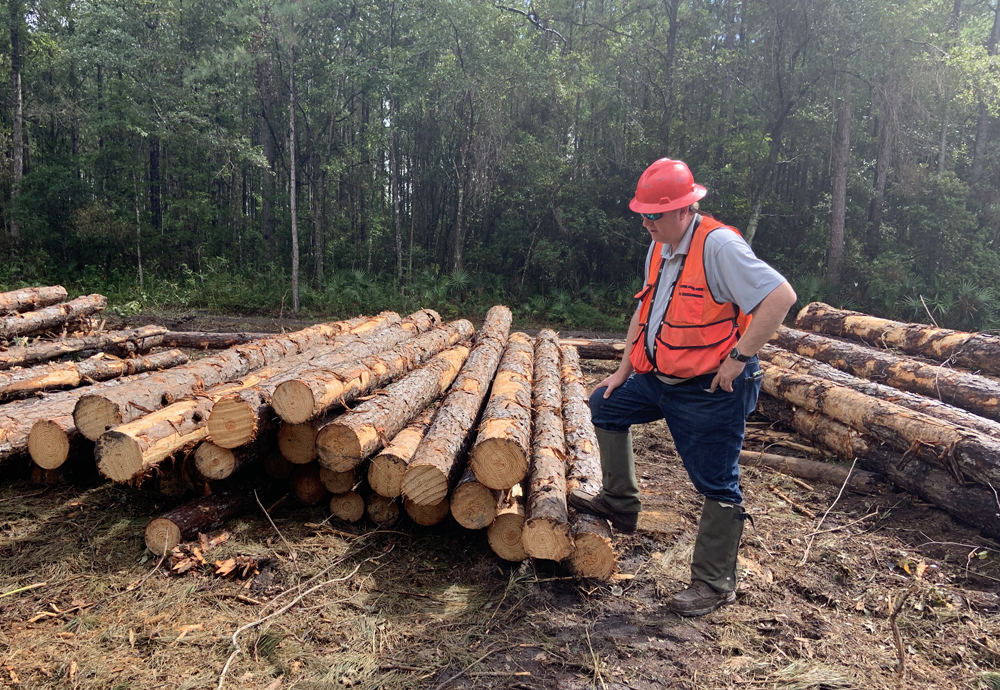
Roundwood is timber supplied in its log form, graded and cut to length but not yet milled — the raw material for further sawmilling, pulping or energy use. Sawn timber has already been processed through our yard into rough-cut beams and boards, ready for construction, formwork or further finishing. Both are sourced from the same Portuguese forestry base: primarily maritime pine and eucalyptus, the two species that dominate industrial forestry in the country.
Maritime pine and eucalyptus are grown extensively under managed rotation across Portugal, supporting consistent roundwood and sawn timber export volumes throughout the year rather than a narrow seasonal harvest window. This scale gives buyers confidence that supply will remain available for standing orders and longer-term contracts, not just opportunistic spot purchases.
Spain and Portugal share an integrated timber trade given the shared land border and overlapping forestry base, with Portuguese roundwood commonly supplying Spanish sawmills. Short transport distances make this one of the most cost-efficient corridors for bulk roundwood export.
French buyers in construction, formwork and pallet manufacturing look to Iberian pine as a cost-competitive alternative to domestic or Central European softwood, particularly when local supply is constrained. Consistent grading against agreed diameter and length specifications is the priority for this buyer group.
Italian manufacturing demand spans furniture components, packaging and pallet production, often requiring specific diameter classes and moisture handling suited to further kiln-drying and processing on arrival.
UK buyers importing timber from Portugal handle customs declarations and phytosanitary certification as a non-EU import process, which typically adds lead time compared with intra-EU shipments. We prepare the required export documentation in advance to keep this process as smooth as possible for regular UK customers.
Benelux buyers in construction and pallet manufacturing value consistent dimensional grading and often request certification documentation to satisfy their own downstream customers' sourcing requirements.
Polish and Central European sawmills and manufacturers occasionally source Iberian roundwood to diversify supply, particularly for species or grades where domestic forestry faces seasonal constraints, typically moved via container or consolidated long-haul road freight.
Timber grading is agreed before loading against the buyer's intended use. Sawlog-grade roundwood, the highest visual and structural quality, goes to further milling into boards and beams. Construction and formwork-grade sawn timber is milled to standard dimensions for structural building use. Pulpwood-grade material, where visual grade matters less than volume and species consistency, suits fibre and energy buyers. Agreeing grade upfront against your specific end use avoids disputes on delivery and ensures you're not paying sawlog prices for material destined for pulping.
Standard diameters run from 8 to 40 cm, with lengths cut to order, typically between 2 and 6 metres, rather than supplied as fixed stock sizes. This lets us match roundwood and sawn timber dimensions to a buyer's specific milling or construction equipment rather than requiring the buyer to work around standard lengths — tell us your target dimensions and we'll confirm availability and lead time.
Buyers supplying construction or retail markets that require chain-of-custody documentation can request FSC or PEFC certification on eligible volumes. This is worth confirming at the quotation stage since not all volumes carry the same certification status, and eligible certified volume can be limited by season and species availability.
Truckload delivery suits buyers in Spain and nearby regions of France, typically offering the fastest transit and simplest logistics for standing or recurring orders. Container shipment from Porto / Leixões is typically more economical for buyers further afield in northern Europe, the UK or overseas, especially for standing-order volumes agreed under longer-term contracts.
Sawmills and further timber processors are our primary roundwood customers, buying sawlog-grade material for milling into their own product lines. Construction companies buy formwork and structural-grade sawn timber directly for building projects. Pallet and packaging manufacturers require consistent, cost-effective softwood dimensions at volume. The pulp and paper industry buys lower-grade roundwood as fibre feedstock. Biomass energy buyers take the lowest-grade material where visual and structural quality is not required.
Because sawn timber and roundwood are typically inputs to further processing rather than finished retail products, moisture specification is agreed based on the buyer's own kiln-drying or processing capability rather than a fixed export standard — some buyers prefer green (undried) timber to control their own drying process, while others need pre-dried material ready for immediate use.
Every timber export shipment is prepared with commercial invoicing and, where required, phytosanitary certificates confirming the material meets the destination country's plant health import requirements — particularly important for shipments to the UK and any non-EU destination.
Timber pricing reflects species, grade, diameter class, certification status and freight method. Sawlog-grade material commands a premium over pulpwood-grade roundwood of the same species, and certified volumes typically carry a premium over uncertified material where chain-of-custody documentation is required. As with our other products, request a delivered quote to your specific location for the clearest comparison against alternative suppliers.
The right choice depends entirely on your own processing capability. Buyers who operate their own sawmill typically prefer roundwood, since it gives full control over cutting pattern, dimension and yield, usually at a lower purchase price per cubic metre than pre-sawn material. Buyers without milling capability — construction companies, pallet manufacturers or general contractors — typically prefer sawn timber, cut to standard dimensions and ready for immediate use, even though it carries a higher price per cubic metre to reflect the processing already completed.
We recommend starting with a conversation about your intended use, required grade, and target dimensions, so we can confirm current availability and whether your order suits truckload or container shipment. For certified volumes, confirm your chain-of-custody requirement at this stage, since certified stock can be more limited by season than standard uncertified material. Lead times typically run from two to six weeks depending on volume, custom cutting requirements and current yard stock.
Maritime pine and eucalyptus grown under Portugal's managed forestry model represent a renewable resource when harvested and replanted responsibly, which is increasingly important to construction and manufacturing buyers whose own customers or regulators expect demonstrable sourcing standards. Where FSC or PEFC certification is required, confirming this need early in the quotation process lets us allocate certified volume correctly rather than discovering a mismatch after an order is placed.
"Sawlog grade" refers to roundwood of sufficient diameter, straightness and quality for further milling into boards and beams. "Pulpwood grade" refers to lower-quality or smaller-diameter roundwood suited to fibre or energy use rather than milling. "Chain of custody" refers to the documented trail proving certified timber's origin from forest to buyer, required by FSC and PEFC certification schemes for any buyer needing to demonstrate certified sourcing to their own customers.
Timber and roundwood are typically ordered in larger volumes than our fuel-wood products, reflecting their role as an industrial input rather than a retail commodity. A full truckload is the standard minimum for most buyers, while sawmills and construction companies with recurring need often move to standing monthly or quarterly supply agreements once an initial order confirms grading consistency and dimensional accuracy. Container shipment becomes more cost-effective at higher volumes, typically favoured by buyers ordering the equivalent of multiple truckloads for delivery to more distant European markets or the UK.
Every log is visually graded at intake against the agreed specification — diameter, straightness, species and quality class — before being allocated to sawlog, construction or pulpwood use. For sawn timber, dimensions are checked against the agreed cut specification before bundling. For buyers with particularly exacting requirements, we can arrange photographs or a video walk-through of a specific load before it ships, particularly useful for a first order with a new customer.
Construction and manufacturing customers often need to align delivery schedules with their own project timelines or production runs, rather than simply taking stock as it becomes available. We can discuss forward scheduling for larger projects, agreeing volume and approximate delivery windows ahead of time so your own planning isn't held up waiting on raw material confirmation.
Timber orders usually involve more upfront technical conversation than our other product lines — confirming grade, dimension, certification status and intended use before we can quote accurately. Our team is happy to talk through these details on WhatsApp or by phone, and can typically confirm current stock availability and lead time within one business day of your enquiry.
Timber and roundwood pricing is more sensitive to grade and certification status than freight distance alone, so a lower quote from a distant supplier may reflect a lower grade rather than a genuinely better deal. When comparing quotes, confirm that grade, dimension tolerance and certification status match exactly before comparing price per cubic metre — we're happy to break down our pricing by these factors so you can see precisely what you're paying for and compare it fairly against alternative suppliers.
Buyers new to importing timber from Portugal often ask about practical scheduling details. How far ahead should larger orders be placed? For custom-cut volumes or certified stock, four to six weeks is advisable to allow for grading and, where needed, certification paperwork. Can delivery be staged across several weeks for a large project? Yes, we regularly agree phased delivery schedules for construction buyers who don't want a full project's material arriving in one shipment. Is part-container shipment possible for smaller export orders? In some cases yes, particularly when consolidated with other outbound cargo — worth asking about when you request your quote.
Because timber and roundwood buyers often plan projects and production runs months in advance, many of our relationships in this product line develop into standing supply agreements rather than one-off purchases. Establishing a track record with an initial order — even a modest one — is usually the fastest way to move toward the kind of forward-scheduled, price-stable arrangement that larger construction and manufacturing buyers ultimately look for in a timber supplier.
Beyond grade and price, buyers evaluating a new timber supplier should weigh consistency of supply and clarity of communication just as heavily — a supplier who can confirm stock, lead time and documentation clearly at the quotation stage tends to cause far fewer downstream problems than one offering marginally better pricing but vaguer answers.
Custom-cutting dimensions to order rather than fixed stock sizes, offering both truckload and container export, and preparing full documentation including certification where required lets us serve buyers from small sawmills through to larger construction and manufacturing customers from the same Rebordosa yard.
| Species | Maritime pine (Pinus pinaster), eucalyptus |
| Diameter range | 8 – 40 cm |
| Length | Custom cut, typically 2 – 6 m |
| Grade | Sawlog, pulpwood or construction/formwork grade |
| Certification | FSC / PEFC chain-of-custody documentation available on request |
| Packaging | Bundled and strapped logs, or loose bulk by truck/container |
| Minimum order | 1 truckload; container loads available for export |
Chain-of-custody documentation can be arranged for eligible volumes — let us know your certification requirement when requesting a quote.
Standard diameters run from 8 to 40 cm, with lengths cut to order, typically between 2 and 6 metres. Tell us your target dimensions and we'll confirm availability.
Yes, we grade material for sawmilling and construction use as well as lower-grade pulpwood and energy-grade roundwood.
Yes, we regularly prepare both truckload deliveries within Europe and container loads for maritime export from Porto / Leixões.
Kiln-dried & seasoned beech, oak and pine firewood logs, cut and split to order for wholesale and export.
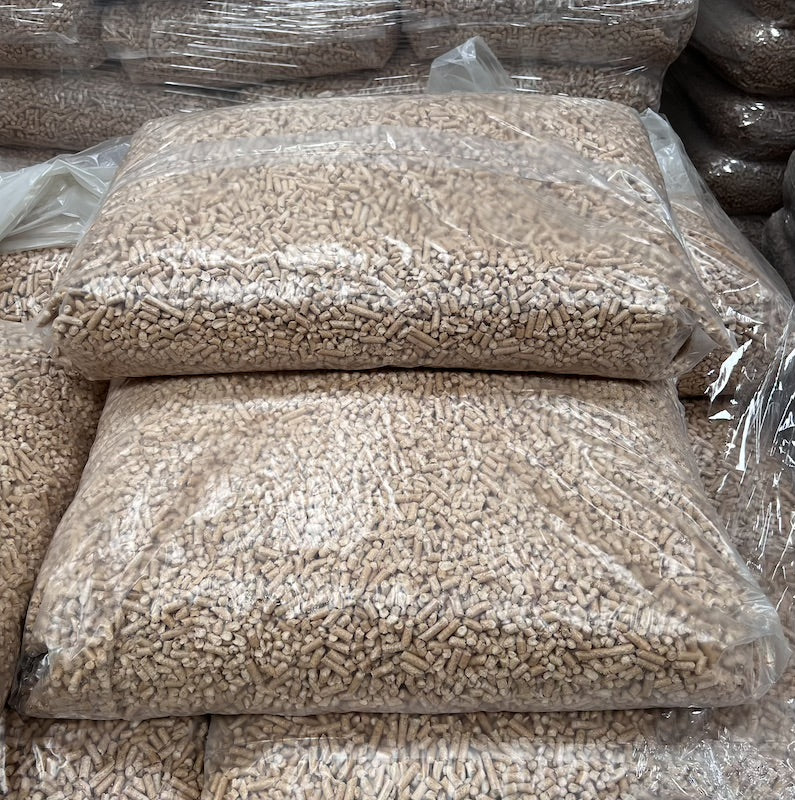
High-density, low-moisture wood pellets pressed from virgin softwood sawdust for clean, efficient heating.
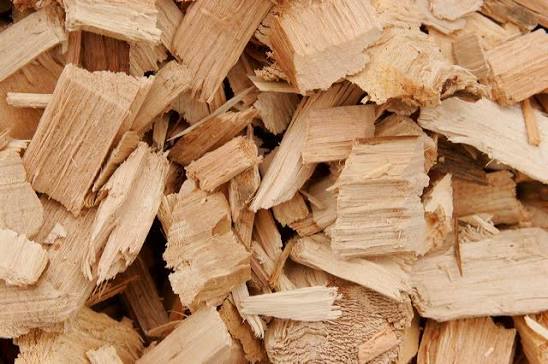
Uniform biomass and landscaping wood chips, screened to size for boilers, mulching and animal bedding.
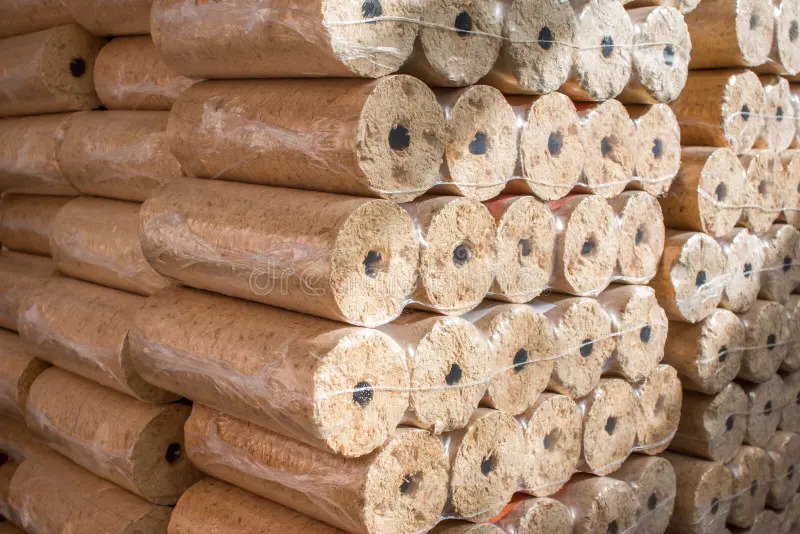
Compressed hardwood briquettes (RUF & Nestro types) offering long, steady, low-ash burn time.
Send us your target volume and destination for a wholesale quotation.