Best Seller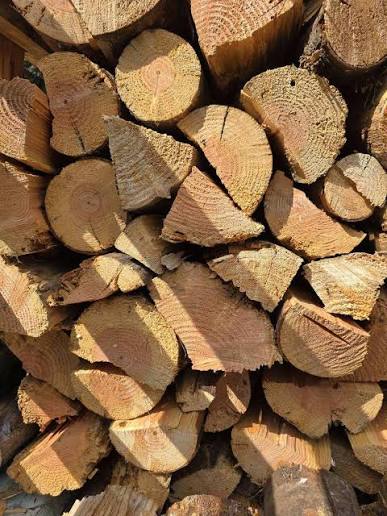
Firewood
Kiln-dried & seasoned beech, oak and pine firewood logs, cut and split to order for wholesale and export.
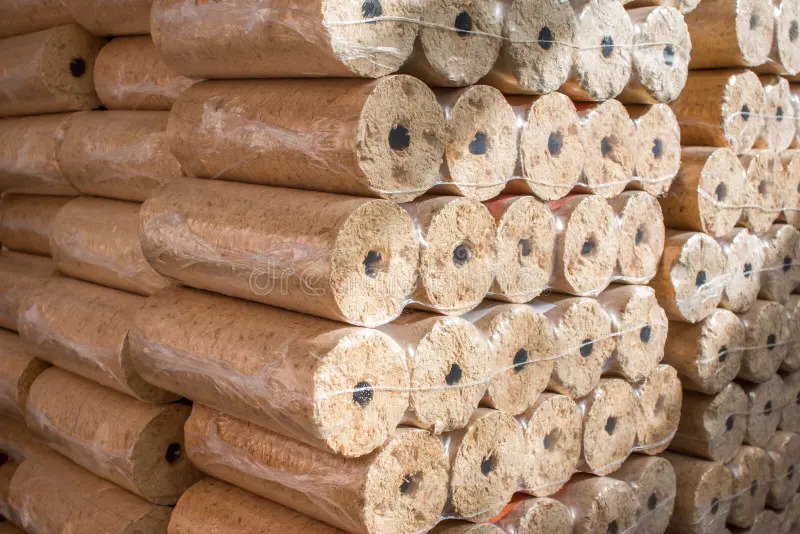
Compressed hardwood briquettes (RUF & Nestro types) offering long, steady, low-ash burn time.
Our compressed hardwood briquettes are pressed without chemical binders, giving a dense, long-burning, low-ash fuel that performs consistently in stoves and fireplaces. We supply both rectangular RUF-type and cylindrical briquettes, shrink-wrapped on pallets ready for wholesale distribution.
Product checks, samples and pricing are handled directly by our export team on WhatsApp for the fastest response.
Our compressed hardwood briquettes are pressed without chemical binders, giving a dense, long-burning, low-ash fuel that performs consistently in stoves and fireplaces. We supply both rectangular RUF-type and cylindrical briquettes, shrink-wrapped on pallets ready for wholesale distribution.
Briquettes are a popular add-on line for firewood and pellet customers who want a compact, low-mess, high-heat product for retail. We can quote RUF and cylindrical formats side by side so you can compare against your target market.
Wood briquettes occupy a distinct position in our product range: a premium, compact, low-mess heating fuel that suits retail distribution as well as export to buyers whose customers value convenience over the traditional character of split logs. This overview explains how our briquettes are produced, the formats available, and how they compare economically with firewood and pellets for cross-border wholesale buyers.
Our briquettes are pressed from dried hardwood sawdust and wood residue under very high pressure, without chemical binders — the same natural lignin process used in pellet production, but at a larger, denser scale suited to fireplace and stove use rather than automated feed systems. The result is a fuel with very low moisture, high density and a long, steady burn, sold in two main formats: rectangular RUF-type blocks and cylindrical briquettes with a central airflow hole.
Compressed, low-moisture and consistently sized, briquettes solve several problems loose firewood doesn't: predictable burn time, minimal mess and dust, and compact storage that suits urban and suburban customers without space for a full firewood store. That makes them a natural complementary line for garden centres, DIY chains and fuel merchants already stocking firewood or pellets, and a premium retail product in their own right.
The UK has a well-established retail market for compressed wood fuel, sold through garden centres, supermarkets and online fuel retailers. UK buyers typically favour RUF-format briquettes in shrink-wrapped 10 kg packs, palletised for easy handling through retail distribution centres.
Dense urban housing across the Benelux region drives demand for compact, low-mess heating fuel, making briquettes popular for occasional-use fireplaces and stoves in city and suburban homes where storage space is limited.
French and southern European buyers often position briquettes as a premium alternative to firewood for wood-burning stoves, particularly where consistent, long burn time is valued over the traditional character of split logs.
Spanish demand mirrors the broader southern European pattern, with briquettes typically sold alongside firewood as a premium, longer-burning alternative through the same retail and merchant channels.
German buyers frequently request detailed technical documentation and favour cylindrical briquettes for their slightly easier lighting characteristics, particularly in the residential retail segment.
RUF-format rectangular briquettes, typically 150 by 95 by 60 mm, stack efficiently on pallets and in transit, making them popular with retailers focused on shelf presentation and pallet efficiency. Cylindrical briquettes, 60 or 70 mm in diameter with a central airflow hole, are often preferred by end users for slightly easier lighting and are common across Central European retail. We can supply samples of both formats so you can test market response before committing to a full container or truckload order.
Moisture content below 10% is essential for consistent lighting and burn performance; briquettes above this threshold can be harder to ignite and produce more smoke. Density above 1,000 kg per cubic metre is what gives briquettes their long, steady burn compared with loose firewood of the same weight. Calorific value of 4.7 to 5.0 kWh per kilogram sits close to kiln-dried hardwood firewood, while ash content below 1% means less residue and maintenance for the end user.
Standard 10 kg shrink-wrapped packs, palletised at around 960 to 1,000 kg per pallet, are designed to maximise truck and container fill while remaining easy to handle in retail distribution centres without repackaging. Briquettes' higher density per cubic metre compared with loose firewood means more usable heat energy fits on each truck or in each container, which can offset their higher per-tonne production cost when comparing landed cost per unit of heat rather than per tonne alone.
Because briquettes are typically sold as a branded retail product rather than a bulk commodity, many of our distributor customers order under their own private label. We can accommodate custom shrink-wrap branding for wholesale volumes — worth discussing alongside your first sample order if retail branding is part of your strategy.
Home fireplace and stove users buying through retail channels are the largest end-user group. Small hotels, guesthouses and hospitality venues use briquettes for guest-facing fireplaces where convenience and minimal mess matter. Camping, outdoor and DIY retailers stock briquettes alongside firewood and pellets as a premium option. Distributors also frequently re-bag briquettes under private label for their own regional retail networks.
Briquettes should be kept dry and off the ground, ideally still shrink-wrapped until sale, since exposure to moisture can cause them to swell and break apart. This makes covered warehouse storage important for importers holding stock through a full retail season, and worth factoring into your logistics planning alongside the initial freight cost.
Briquette pricing reflects feedstock cost, moisture and density specification, format (RUF versus cylindrical, which cost similarly to produce but may command different retail prices in different markets), and private-label packaging where requested. As with our other product lines, we recommend comparing landed cost per unit of heat energy delivered, not just price per tonne, when evaluating briquettes against firewood or pellets for the same end market.
Briquettes and firewood both suit open fireplaces and wood-burning stoves, but perform differently in practice. Briquettes burn longer and more predictably per kilogram thanks to their density and low moisture, produce noticeably less mess and bark debris, and stack far more compactly for storage — a real advantage for urban retail customers with limited space. Firewood retains a lower price point and the traditional look and crackle many customers still prefer. Distributors often find the two products serve different segments of the same customer base rather than competing head to head, which is why briquettes work well as an added line alongside an existing firewood range rather than a replacement for it.
We recommend requesting a sample pallet of both RUF and cylindrical formats so you can test which performs better with your target retail customers before committing to a full truckload. From there we confirm packaging — standard shrink-wrap or private label — and agree a delivery schedule, typically within one to three weeks depending on format and current production volume.
Briquettes are pressed from dried sawdust and wood residue that would otherwise be a waste product of timber processing, turning offcuts into a dense, efficient heating fuel with very little wasted material. As with our other wood-fuel products, briquettes sourced from Portuguese managed forestry sit within a renewable carbon cycle, a point that resonates increasingly with retail customers making more sustainability-conscious fuel choices.
Properly stored, shrink-wrapped briquettes have a long shelf life since their low moisture content resists the mould and decay that can affect poorly stored firewood. This makes briquettes a lower-risk stock item for retailers and distributors planning inventory across multiple seasons, provided packaging remains intact and storage stays dry.
A single sample pallet, roughly 960 to 1,000 kg shrink-wrapped, is the natural starting point for a distributor wanting to evaluate RUF against cylindrical format before committing further. From there, most wholesale buyers scale to a full truckload, and long-term retail partners often move to a standing seasonal order agreed ahead of the autumn buying period to secure both pricing and guaranteed production capacity during the busiest months of the year.
Central European buyers, while further from our yard, sometimes source Portuguese briquettes to diversify supply or access competitive pricing against domestic producers, typically via consolidated road freight or container shipment for larger standing orders.
Briquettes are pressed from sawdust dried to a controlled moisture level before compression, and each production run is checked for density and moisture to confirm it meets specification before shrink-wrapping. Because briquettes are a visually inspected retail product, we also check for consistent shape and surface finish, since cracked or crumbling briquettes reflect poorly on a retailer's shelf regardless of underlying fuel quality.
Buyers selling briquettes through retail channels often ask about shelf presentation alongside the core product specification. Shrink-wrapped packs display well on pallets or shelving without additional repackaging, and the compact, uniform shape of both RUF and cylindrical formats photographs well for online retail listings — a small but real advantage over firewood when it comes to e-commerce and catalogue sales, an increasingly important channel for several of our distributor customers.
Because briquettes are typically sold as a branded retail product, our conversations with new distributors usually cover packaging and private-label requirements alongside the core specification. Message our team on WhatsApp with your target market, preferred format and whether private labelling is part of your plan, and we'll put together sample and full wholesale pricing together so you can evaluate the complete offer before a larger commitment.
Briquettes' high density means more product, and more usable heat energy, fits into each pallet position compared with loose firewood, which can offset a higher headline price per tonne once you calculate cost per unit of heat delivered rather than cost per kilogram alone. When comparing our briquettes against another supplier's quote, ask whether their price reflects the same density and moisture specification — a cheaper briquette with lower density or higher moisture may cost more per useful hour of heat once you account for the difference.
New distributors often ask practical questions beyond the core product specification. Can orders be split across formats on one pallet? Generally yes, for buyers wanting to trial both RUF and cylindrical formats before committing to one. How far ahead should peak-season orders be placed? At least three to four weeks once autumn restocking begins, since production schedules fill up alongside our firewood and pellet lines during the same period. Can we arrange recurring automatic reorders? Yes, once a standing relationship is established, many of our distributor customers move to a simple recurring schedule agreed once and adjusted only when volumes change.
Briquette demand follows the same autumn-to-winter curve as our other heating fuel lines, and production capacity tightens as the season progresses. Distributors who place an initial forward order in summer, before the seasonal rush begins, generally find it easier to secure both preferred formats and consistent lead times than those ordering for the first time once cold weather has already arrived.
Beyond specification and price, the practical difference between briquette suppliers usually comes down to communication speed and consistency across repeat orders. We aim to keep both simple: a direct WhatsApp line to our export team for quick questions, and the same production standard on your tenth order as your first.
The practical measure of a good briquette supplier isn't a single strong sample bag, but whether the tenth container performs the same as the first. We track production against our own specification batch by batch precisely so that a repeat order placed six months after your first one arrives to the same standard, without you needing to re-verify quality every time.
Offering both RUF and cylindrical formats from the same production base, alongside private-label packaging and sample availability before larger commitments, lets distributors test and scale a briquette line with confidence rather than guessing which format will perform best in their specific retail market.
| Type | RUF (rectangular, 150 x 95 x 60 mm) or cylindrical (60/70 mm diameter) |
| Moisture content | Below 10% |
| Density | Above 1,000 kg/m³ |
| Calorific value | 4.7 – 5.0 kWh/kg |
| Ash content | Below 1% |
| Packaging | 10 kg shrink-wrapped packs, palletised (approx. 960–1,000 kg/pallet) |
| Minimum order | 1 pallet for samples; full truckload for wholesale pricing |
RUF briquettes are rectangular blocks that stack easily and hold together well in transit; cylindrical briquettes have a central hole for airflow and tend to catch slightly faster. Both burn at similar calorific value — we can send samples of each.
We can supply a single sample pallet for evaluation, with full wholesale pricing available from one truckload upward.
Yes, private-label shrink-wrap packaging is available for distributors ordering at wholesale volume.
Briquettes should be kept dry and off the ground, ideally still shrink-wrapped until sale, as they can swell and break down if exposed to moisture.
Kiln-dried & seasoned beech, oak and pine firewood logs, cut and split to order for wholesale and export.
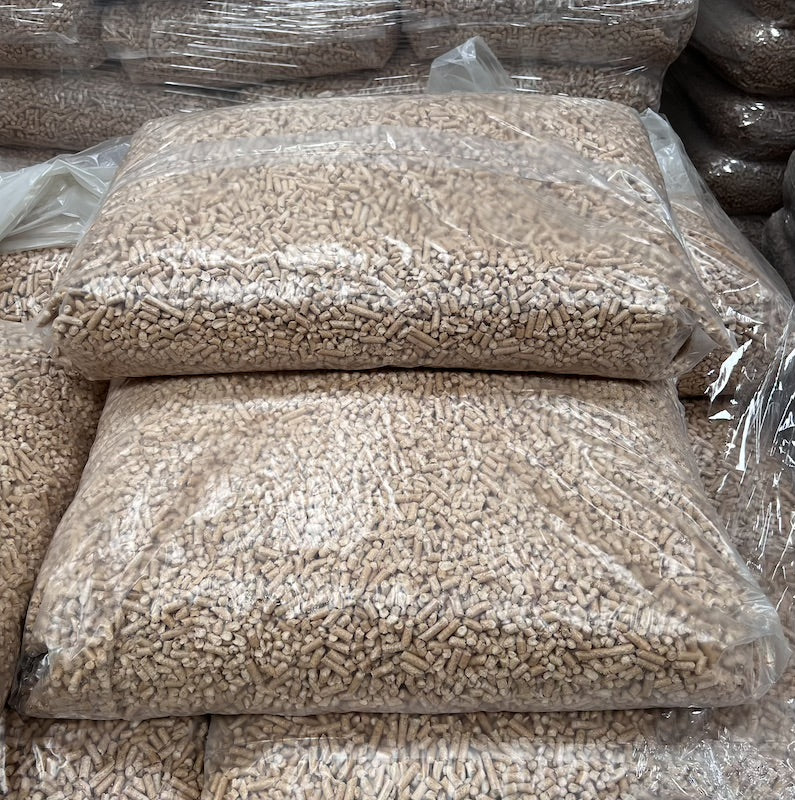
High-density, low-moisture wood pellets pressed from virgin softwood sawdust for clean, efficient heating.
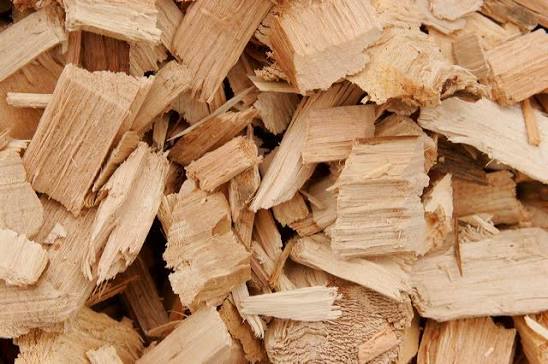
Uniform biomass and landscaping wood chips, screened to size for boilers, mulching and animal bedding.
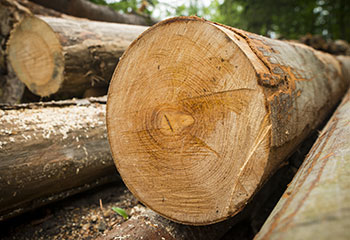
Rough-sawn timber, planed beams and roundwood logs sourced from certified Portuguese forests.
Send us your target volume and destination for a wholesale quotation.