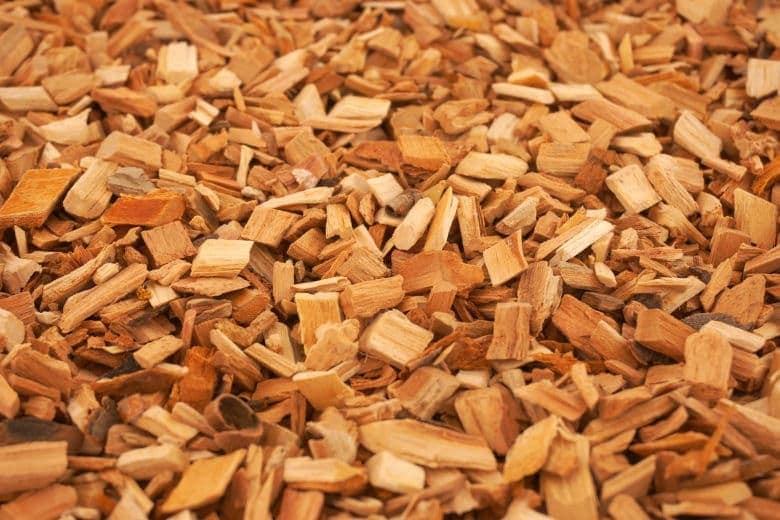
Wood chips are one of the most versatile products we export, moving from forestry residue and sawmill by-product into markets as different as biomass power generation and municipal park mulching. Here's how our buyers typically put them to work.
Biomass Energy
Screened, size-graded wood chips are a core fuel for biomass boilers and combined heat-and-power (CHP) plants. Combustion buyers generally want a tighter particle-size band and lower moisture content than landscaping customers, since oversized or wet material can disrupt automated feed systems.
Landscaping and Municipal Use
Coarser wood chips make excellent mulch for parks, public gardens and commercial landscaping — suppressing weeds, retaining soil moisture and breaking down gradually to improve soil structure. Moisture specification matters less here than for combustion fuel, which can make landscaping-grade chips a cost-effective option.
Animal Bedding
Larger, drier wood chips are widely used as bedding in stables and livestock housing, valued for absorbency and ease of mucking out compared with straw in some operations.
Industrial Feedstock
Wood chips also feed into pulp, paper and panel-board manufacturing as a raw fibre source, where consistent species and low contamination are the priority rather than moisture content.
Choosing the Right Grade
Because "wood chips" covers such a wide range of specifications, the most useful first step is telling us your end use. We screen to EN ISO 17225-4 particle-size classes and can supply either fresh-cut chips at natural moisture or pre-dried material for combustion buyers.
Have a Question for Our Team?
Ask about pricing, volumes or specifications on WhatsApp.