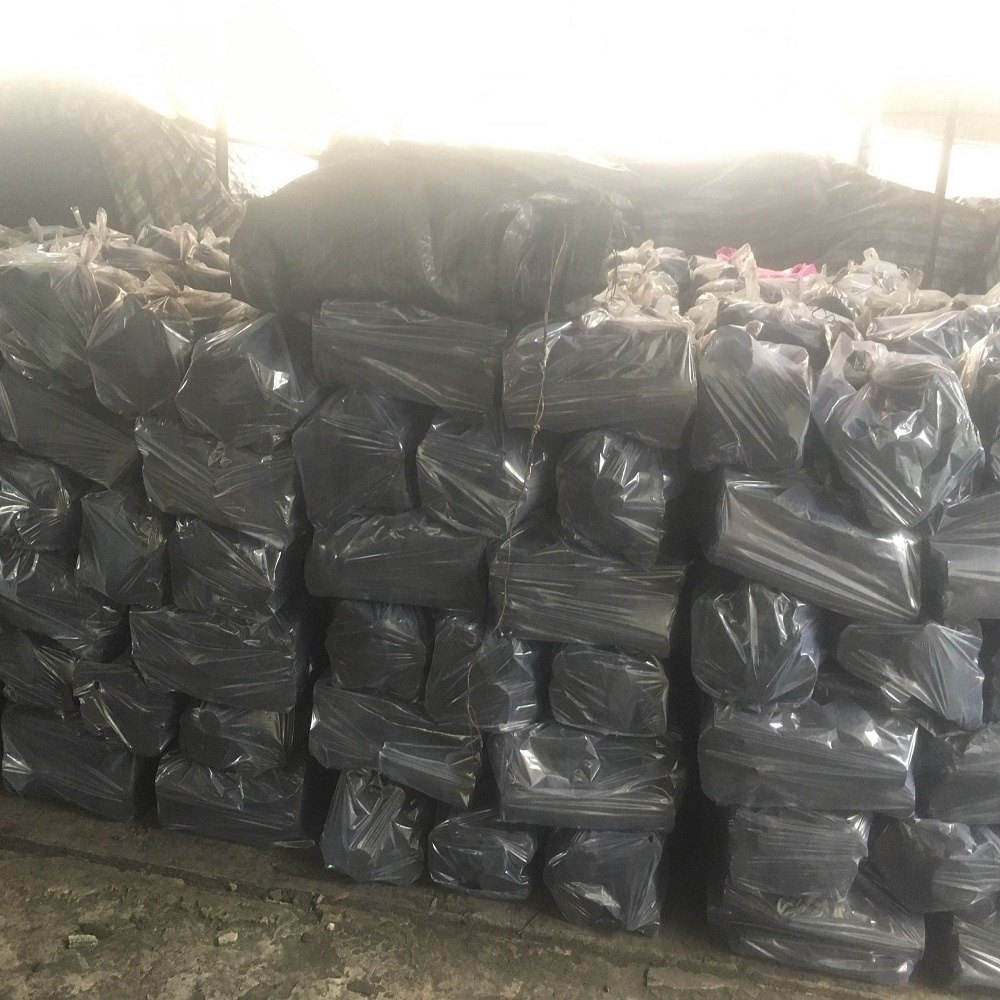
European demand for natural lump charcoal has grown steadily across both retail and hospitality channels, driven by a larger outdoor cooking culture and a horeca sector that increasingly treats live-fire grilling as a menu differentiator rather than a niche offering. This article covers how charcoal is actually made, and what's driving demand growth across the continent.
How Natural Lump Charcoal Is Manufactured
Charcoal production starts with carbonising hardwood in a low-oxygen environment, either in traditional earth or brick kilns or in more modern industrial retort systems, driving off moisture and volatile compounds to leave behind almost pure carbon. Traditional kiln methods remain widespread and produce good-quality charcoal, but yield and consistency can vary between batches. Modern retort and continuous-carbonisation systems offer tighter control over temperature and burn time, generally producing more consistent fixed carbon, moisture and ash figures — the specifications that matter most to wholesale buyers comparing suppliers.
Why European Charcoal Demand Keeps Climbing
Retail BBQ demand has grown alongside rising disposable income spent on outdoor living and garden entertaining, with charcoal remaining the preferred fuel for consumers who prioritise flavour over convenience. Horeca demand has grown separately but just as significantly, with grill restaurants, steakhouses and live-fire concept dining rooms expanding across most major European cities, each representing a year-round rather than seasonal charcoal customer. Growing consumer preference for natural, additive-free products has also pushed demand toward well-documented natural lump charcoal over less transparent alternatives.
Regional Demand Patterns Across Europe
Southern European markets — Spain, Portugal, Italy and southern France — combine strong retail seasonal demand with a large, established grill restaurant culture that buys charcoal year-round. Northern European markets, including the UK, Germany and the Benelux countries, see demand concentrated more heavily in spring and summer for retail, alongside steadily growing horeca demand in city-centre grill and steak restaurants. Understanding this seasonal split matters for distributors planning inventory and cash flow across a full year rather than just the peak BBQ months.
What Sourcing Transparency Means for Buyers
As European regulation around deforestation-linked commodities tightens, buyers — particularly larger retailers — increasingly need to demonstrate legal and traceable sourcing for imported charcoal. This has started to reshape the market, favouring suppliers who can speak clearly to raw material origin over those offering charcoal with no documented supply chain, even where the latter may look cheaper on price alone.
What This Means for Wholesale Distributors
The combination of rising retail demand, growing horeca consumption, and tightening sourcing expectations means distributors who can offer both consistent quality and clear origin documentation are increasingly well positioned relative to those competing purely on price. We hold and distribute charcoal from our Rebordosa facility precisely to give European buyers that combination — consistent, EU-based stock with documented sourcing, without the complexity of managing direct import from producer countries.
Have a Question for Our Team?
Ask about pricing, volumes or specifications on WhatsApp.