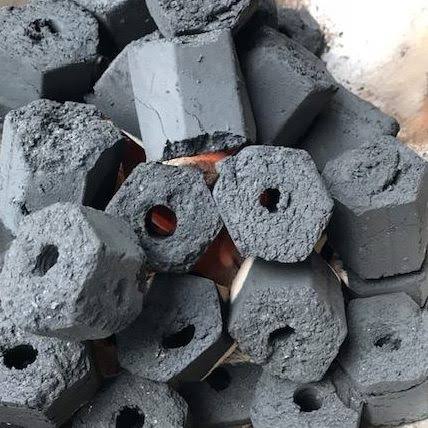
While natural lump charcoal remains the more visible retail product, extruded briquette charcoal has been quietly gaining share across European horeca and industrial catering, driven by operators who value predictability over the traditional character of lump. This article looks at what's shaping demand and supply for briquette charcoal across the continent.
Why Briquette Charcoal Demand Is Growing
Commercial kitchens running extended grill service increasingly favour briquette charcoal's uniform density and predictable burn time over lump charcoal's more variable performance between differently sized pieces. As live-fire and grill-focused restaurant concepts have expanded across Europe, this operational reliability has become a genuine competitive factor for horeca operators managing consistent food quality across a full service period, not just an occasional trial burn.
Retail Demand Alongside Horeca Growth
Retail consumers have followed a similar pattern to horeca buyers, with a growing segment preferring briquette charcoal's longer, lower-maintenance burn for weekend barbecue sessions over lump charcoal's faster lighting but shorter burn time. Several major European retail chains now stock both products side by side, letting consumers choose based on their own priorities rather than positioning one as universally superior.
Supply-Side Dynamics Shaping the Market
Briquette charcoal production is more capital-intensive than lump charcoal, requiring extrusion equipment alongside carbonisation infrastructure, which has kept the supplier base somewhat more concentrated than the lump charcoal market. This has made consistent quality and reliable volume — rather than price alone — the more common differentiator between briquette charcoal suppliers, since buyers who switch suppliers chasing a lower price often find quality consistency harder to replicate than with lump charcoal.
Regional Demand Patterns
Southern European horeca markets, with well-established grill and steakhouse cultures in Spain, France and Italy, represent some of the largest and most consistent briquette charcoal demand, since these businesses run long daily service hours where predictable fuel performance matters most. Northern European buyers, including Germany and the Benelux countries, have grown briquette charcoal demand more recently, often introducing it alongside lump charcoal rather than replacing it outright.
What Distributors Should Watch
Buyers evaluating briquette charcoal suppliers should look past headline pricing to density, moisture and ash figures, since these determine actual burn performance and, ultimately, how much product a horeca customer needs to buy over a year — a lower price per kilogram on an inconsistent product can end up costing more in practice. Distributors who can supply both lump and briquette charcoal from a single, EU-based relationship are well placed to serve the full range of retail and horeca demand without their customers needing to manage two separate supplier relationships.
Sourcing Briquette Charcoal Through J P Vieira de Andrade
We stock extruded hexagonal briquette charcoal alongside our lump charcoal line from our Rebordosa facility, giving European distributors a single supply relationship for both formats. Message our export team with your target market and expected volume, and we'll quote current pricing and availability for your specific destination.
Have a Question for Our Team?
Ask about pricing, volumes or specifications on WhatsApp.